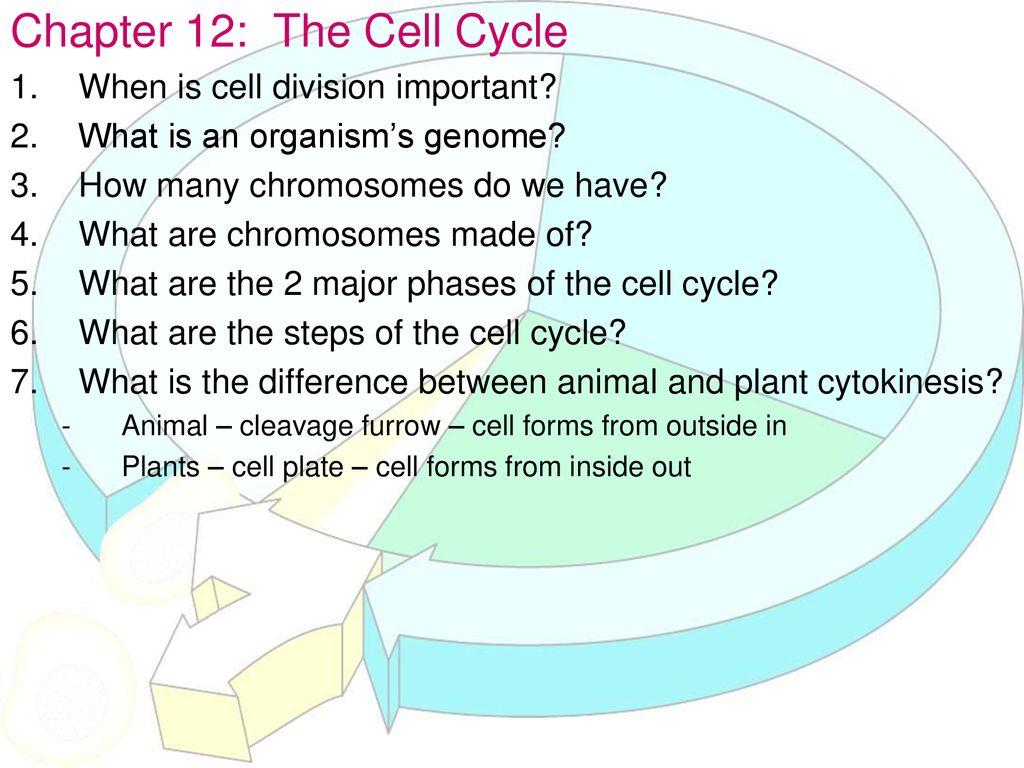
The generalised plant cell cycle showing the core cell cycle genes and Biology Diagrams plants, and their cells are described in Chapter 19. This chapter focuses on plant cells, their structures, and their methods of carrying out essential functions. With few exceptions, each cell in the plant body plays a role in the health and activities of the whole plant. To be effective, some cells have specialized structures or chemicals.

As an insider witness of plant cell cycle research over the past four decades, I can confidently confirm that the combination of cellular, molecular, developmental, genetic and genomic approaches has led to a brilliant growth of this field. Now the cell cycle components are no longer considered only part of a machine to produce two daughter

Open Textbook Library Biology Diagrams
The phase of cytokinesis begins towards the end of mitosis such that the two processes overlap. Cytokinesis is the shortest phase of the cell cycle that occurs differently in plants and animals. The division in plant cells occurs by forming a cell plate structure in the middle of the

Considerable progress has been made in understanding the mechanisms that control cell division in plants. However, little is known about how the cell cycle responds to environmental and As in animals, the plant cell cycle consists of four distinct phases: G1 (postmitotic interphase), S (DNA synthesis phase), G2 (premitotic interphase), and M (mitosis/cytokinesis). Cell cycle progression is driven by cyclin-dependent kinases (CDKs) which cooperated with cyclins. There are seven classes of cyclins in plants which consists of This replication process happens during the synthesis (S) phase of the cell cycle. Remember that G1, S, and G2 phases of the cell cycle are collectively called interphase. Most cells in the plant go about their business in the G1 phase. Only those cells called upon to divide make the next step, which is to replicate their chromosomes in the S
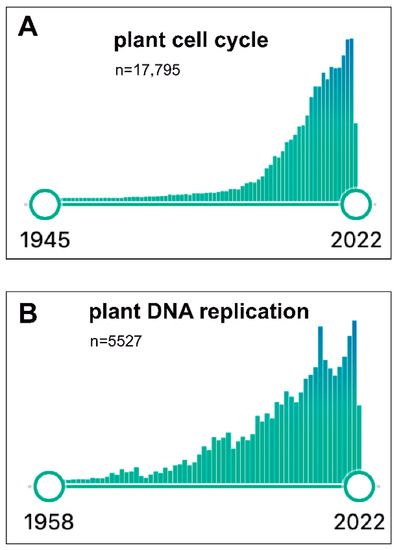
The plant cell cycle Biology Diagrams
Although mechanisms of cell division are conserved in eukaryotes, plants contain a larger number of cell cycle regulatory genes, such as 71 cyclin genes identified in A. thaliana, while only 15 were described in yeast and 23 in human (Van Leene et al., 2010). The understanding of how this complex machinery works involves revealing protein Cell division in plants is controlled by the activity of cyclin-dependent kinase (CDK) complexes. Although this basic mechanism is conserved with all other eukaryotes, plants show novel features of cell-cycle control in the molecules involved and their regulation, including novel CDKs showing strong transcriptional regulation in mitosis.